Picture the end of an exceptional trip. Your clients are raving about their experience, and posting sunset pictures before they’ve even cleared security. “It was the trip of a lifetime,” they say, but then they never book again. It’s a real problem – and it’s exactly what we tackled in our recent webinar, ‘Booked Again: From First-Time Trip to Repeat Traveller.’
Joined by travel industry experts, and moderated by Alisdair Luxmoore, we outlined exactly what you can do to keep travellers coming back. Saniya Zanpure, research analyst at travel intelligence platform Skift, revealed new findings on why travellers do (and often don’t) rebook. Jae Hopkins, Global Marketing Director at leading adventure travel company Explore!, shared lessons she’s learnt from real marketing campaigns. The key takeaway? Traveller loyalty can be built – not with bigger discounts or persistent marketing, but with better timing and warmer follow-ups. Curious how? Watch the recording below.
Traveller satisfaction doesn’t always lead to loyalty
To kick off the session, Alisdair pointed out a common misconception amongst travel companies – that delivering a seamless experience will certainly lead to client loyalty. While an exceptional trip is key to building trust with your travellers, research shows that it’s not that simple. As Saniya pointed out:
- 58% of your happiest clients may never come back unless you give them a reason to.
- Repeat clients spend around 30% less than first-timers, but their lifetime loyalty is where the real money comes from.
- 14% of travellers don’t research at all before booking – they make a decision based on trust alone.
Then came the finding that really stood out. Skift mapped net promoter scores against rebooking intent, expecting a clear, straight line – the happier the client, the more likely to return. But they found quite the opposite, as many travellers who said they were unlikely to rebook actually scored higher on the satisfaction level than those who said they were likely to. “Satisfaction closes the loop. People check you off and move on,” explained Saniya. Jae recognised the pattern, noting that when something goes slightly wrong on a trip and the leader resolves it quickly, trust and loyalty are immediately built.
Key takeaway: don’t treat your feedback scores as a rebooking forecast, because sometimes it’s the trips that go slightly wrong – and get put right – that build the deepest trust.
You’re not just selling destinations, you’re selling an identity
The booking journey has changed drastically. Travellers used to pick a destination, sort the logistics, then work out what to do once they landed. Now, as Saniya explained, they first decide how they want to feel and what experiences they want to have – and the destination and logistics exist to serve that.
Jae confirmed this, explaining that on the Explore! website, travellers often pick an experience first: hiking, wildlife spotting or cycling, as well as their available dates, and they then decide which destination fits their needs. The activity leads; the location follows. She also pointed out that the moments customers remember most, and the stories they tell when they get home, are rarely the headline attractions. It’s not the Taj Mahal they talk about at dinner parties. It’s the grandmother in rural India who showed them how she’d been making the same curry for twenty years. Increasingly, travellers aren’t looking for the experience everyone else is posting on Instagram; they’re looking for the one that feels personal and uniquely theirs.
Alisdair went one step further, questioning whether it’s about activities and experiences at all, or more about identity. Does a traveller simply climb Mount Toubkal, or are they a mountaineer?
Key takeaway: work out what your clients’ dream trips say about them, and market an identity, not just an itinerary.
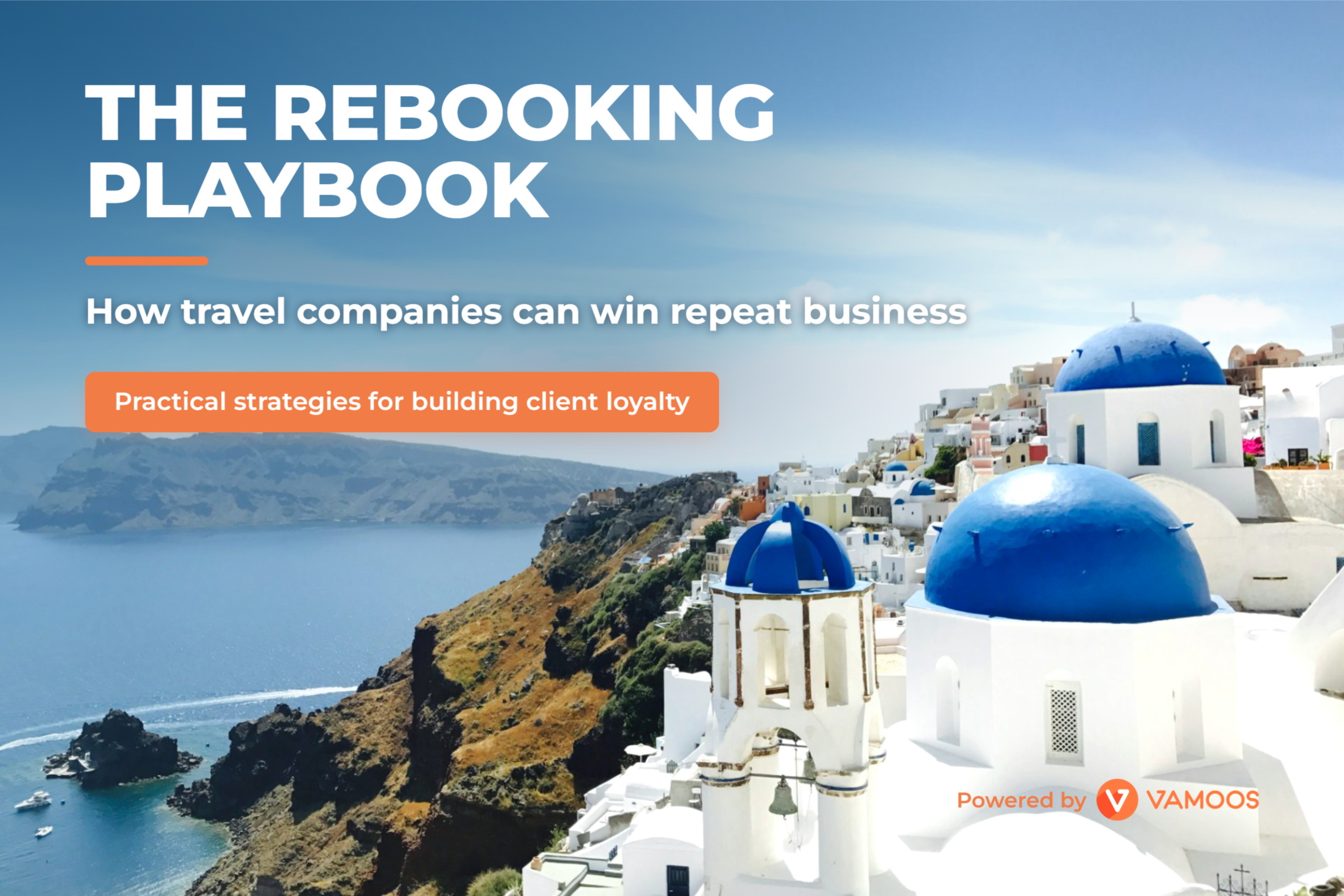
Read now: The Rebooking Playbook: How travel companies can win repeat business
The 30 days after a trip matter the most
Most tour operators follow the same process post-trip: sending out a feedback form, and then going quiet for 6 months until they next reach out to travellers. The issue is that a six-month follow-up is roughly five months too late. What most travel companies don’t realise is that there’s a 30-day golden window after clients return home, during which they’re far more likely to rebook. It’s during this period, while they’re still sharing photos, telling stories about their adventure and feeling thoroughly nostalgic, that you should reach out with personalised offers.
Jae confirmed the importance of this golden window, noting that Explore!’s ‘welcome home’ email is one of their best performers for revenue, as clients love having the next trip in their diary. The excitement and anticipation before a trip, for many travellers, is one of the best parts of the whole experience. On the flip side, Explore! also find that clients are at their most ambassadorial in the six weeks before they travel – especially the final two – talking up your trips to anyone who’ll listen. “Those two weeks before you go on a trip, you’re trying to convince yourself you’ve made the right decision,” explained Jae, and those word of mouth recommendations can do wonders for your booking rates.
Key takeaway: the weeks before departure and the 30 days after landing are your two biggest opportunities for building loyalty – and precisely when most tour operators go quiet.
Deliver follow-ups that feel personal, not promotional
Worried that following up with travellers after a trip feels pushy? Skift’s research says your clients disagree. 52% of travellers actively want personalised recommendations, and only 14% find them intrusive. In Saniya’s words, travellers don’t need more information – they’re drowning in it, much of it generic AI output they can spot a mile off. “You’re the human filter,” she explained, the voice that cuts through and offers a few relevant trip options worth choosing between. And with travel companies and package tours among the most trusted booking channels, that trust is already yours – the question is what you do with it.
When it comes to crafting post-trip follow-ups that really hit the mark, Jae shared her top tips:
- Don’t make assumptions. A traveller might visit Sri Lanka because their family lives there, not because they’re a “South Asia traveller”. Segments are useful; straitjackets aren’t – and Saniya agreed, noting that nobody is just a luxury traveller or just a wellness traveller.
- Give your clients options. One of Explore’s best-performing emails outlines nine varied trips, across different countries and following different styles. Give them choices, and let travellers choose what appeals to them.
Key takeaway: personalisation isn’t assumptions about what travellers want and doubling down – it’s knowing them well enough to offer a few curated options and letting them pick what appeals most.
Read now: Make the most of travel’s most overlooked, golden opportunity
Where Vamoos fits into your rebooking strategy
To close things off, Indre Nagyte, Chief Revenue Officer at Vamoos, explained how the travel app turns first-time bookers into loyal clients. She highlighted a trend that Vamoos sees across the 500+ travel companies they work with: tour operators invest lots of effort into perfecting the experience for travellers – the itinerary, the hotels, the pacing – but overlook building a relationship.
That’s the gap Vamoos is built to close. It’s designed to give your clients a better experience before, during and after their trip – building excitement and trust from the moment they book, putting key trip details at their fingertips, and, once they’re home, encouraging them to book their next adventure. Here are Vamoos’ standout features when it comes to building loyalty:
💡 The visual day-by-day itinerary creates anticipation and keeps your brand front of mind. As Jae pointed out, clients check their branded Vamoos app multiple times a day on tour, which serves as a constant reminder of the company they booked with – Explore! And because travellers show off their app to friends and family, your brand travels further than the trip does.
💡 Sending push notifications with trip tips closes the booking-to-boarding gap, and gives your clients useful pre-trip information before they’ve even departed. Share a country guide two months out or a tipping guide two weeks before. As Indre emphasised, “when was the last time you received unprompted, valuable advice from any service on your phone?”
💡 Vamoos Studio lets you build bespoke features for your Vamoos app – think loyalty programmes, feedback forms, referral schemes, whatever your business needs. The possibilities are endless, and these features are the perfect way to build lasting loyalty.
💡 Vamoos Posts lets you personalise the experience for your clients. Travellers share photos of their experience, which can be transformed into a memorable coffee-table book. Why not go the extra mile and surprise your clients with a Photobook on their return home? The memories of their amazing adventure will come flooding back – inspiring them to book with you again.
💡 Vamoos’ travel e-brochure, Inspirations, comes into play the second a trip ends – right inside that 30-day golden window. The trip countdown vanishes and your suggested trips appear in its place, boosting repeat bookings and building excitement for future trips. What better cure for the post-holiday blues?
Travel companies using Vamoos to its fullest have seen a 12% increase in repeat bookings. Want to see how Vamoos could help build long-term loyalty amongst your clients too? Book a meeting to find out how!
Looking for practical strategies to improve your client loyalty? Our brand new guide, The Rebookings Playbook, is packed with actionable tips to help travel companies boost their repeat business…
![[WEBINAR] Booked Again: From First-Time Trip to Repeat Traveller](https://www.vamoos.com/wp-content/uploads/2026/07/Book-graphic-rebookings-guide-3.png)